Every construction project looks straightforward at the beginning.
The plans are approved. The budget is outlined. The timeline feels realistic.
Then sitework begins.
And that is where things often shift.
Unexpected soil conditions, drainage complications, permit delays, and coordination gaps can quickly turn a controlled project into something reactive. Costs increase. Timelines stretch. Pressure builds.
Most of these issues do not come from bad execution. They come from gaps in preparation.
That is why experienced developers and contractors spend more time getting sitework right before the first piece of equipment even moves.
Why sitework sets the tone for everything that follows
Sitework is not just the first phase of a project. It is the foundation that everything else depends on.
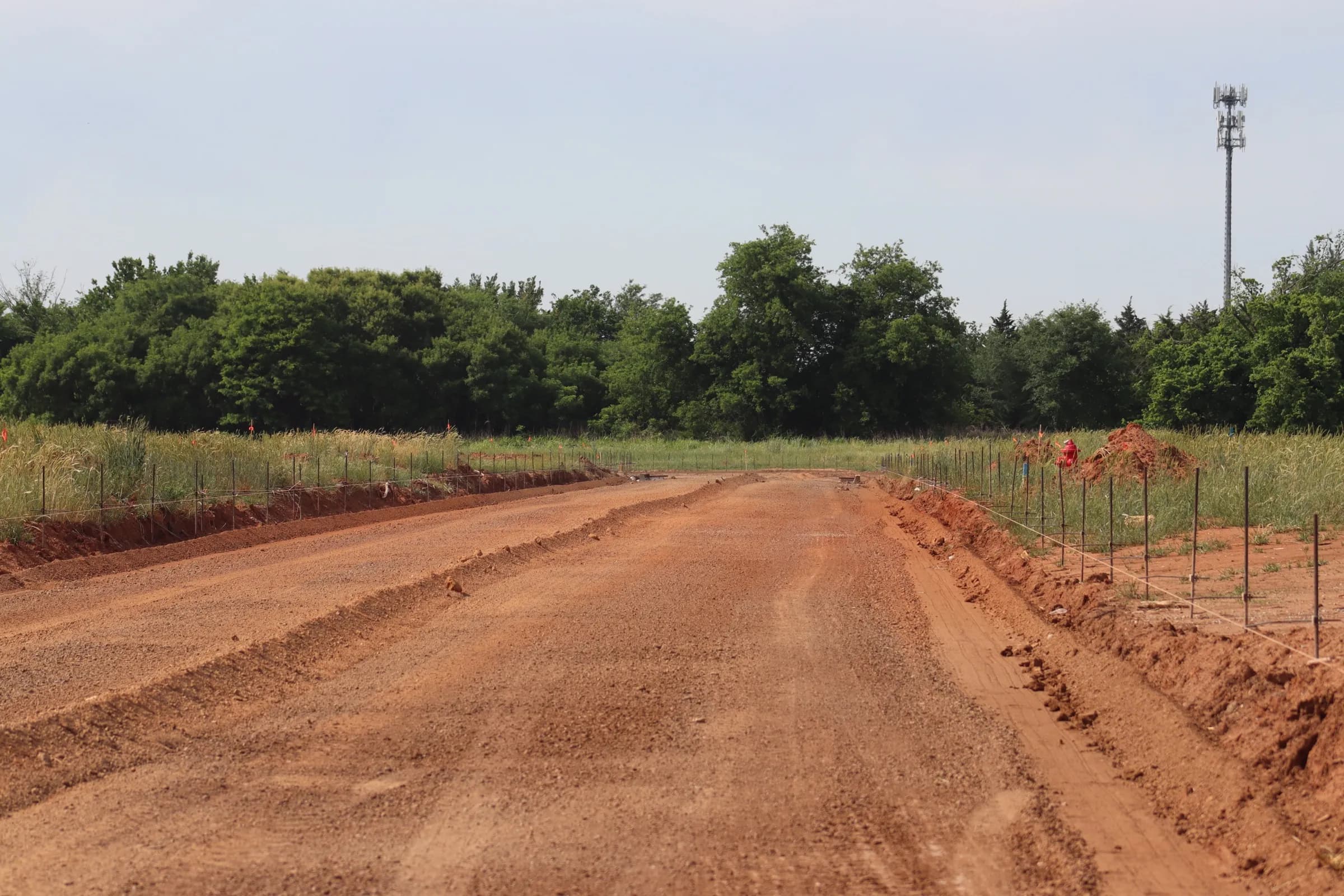
If grading is off, paving suffers. If drainage is incomplete, long term performance becomes a concern. If subgrade is not properly stabilized, structural issues can surface much later.
These are not small problems. They are the kind that lead to rework, added costs, and in some cases, long term liability.
A well planned sitework phase does more than prepare the land. It removes uncertainty from the rest of the project.
Start with a clear understanding of the site
No two sites in Oklahoma behave the same way.
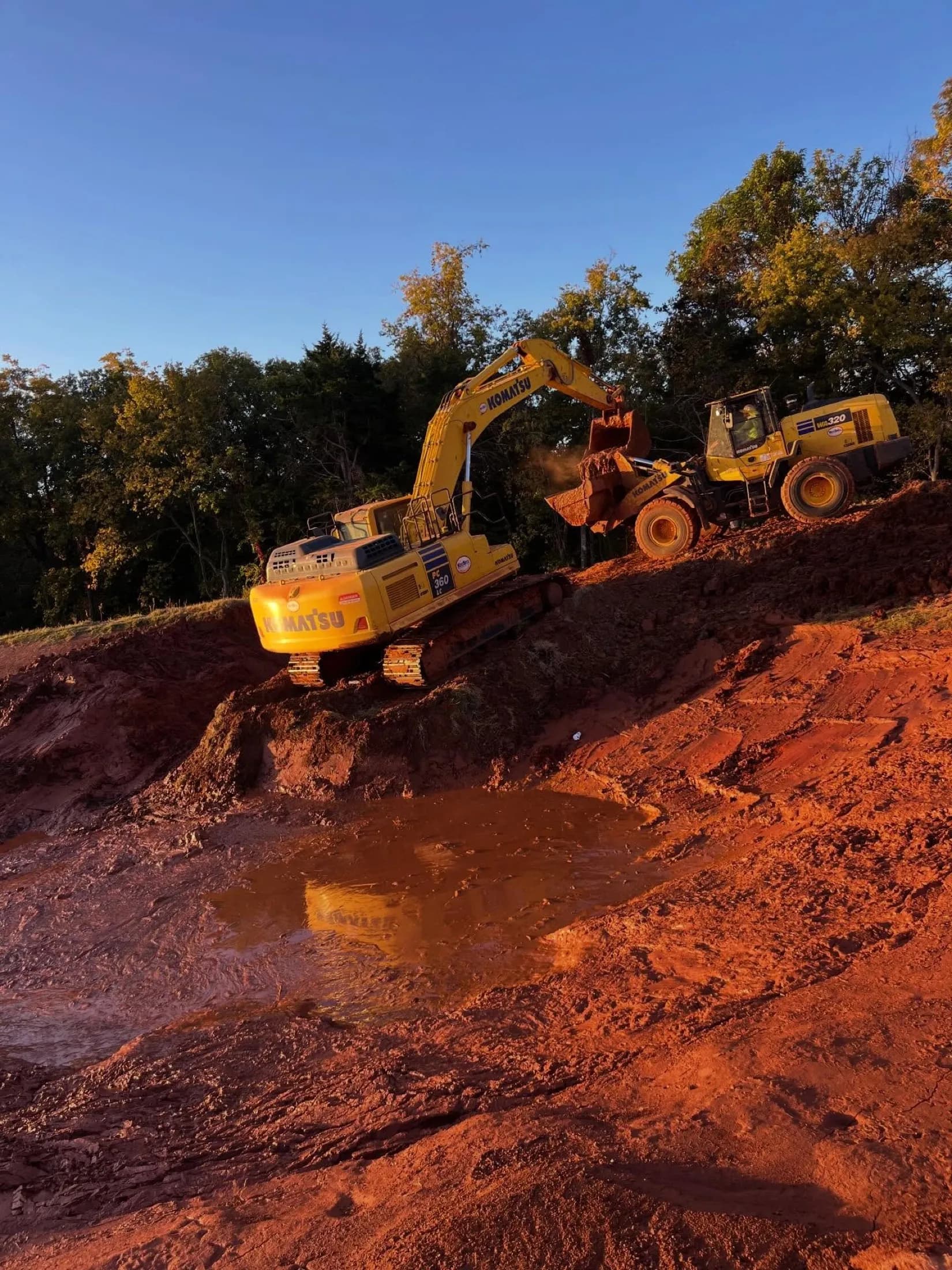
Soil composition can vary significantly even within short distances. Some areas require stabilization. Others may need additional drainage planning to handle runoff effectively.
Skipping or rushing this step is one of the most common mistakes.
Before moving forward, take the time to fully understand site conditions. This includes soil testing, grading requirements, and any environmental considerations that may impact construction.
Projects that start with clarity tend to stay on track. Projects that assume conditions often run into avoidable problems.
Plan for drainage early, not later
Drainage is often treated as a technical requirement rather than a critical design factor.
That approach leads to issues.
Stormwater needs to move efficiently through and away from the site. If drainage systems are not properly planned, water can accumulate in ways that damage pavement, weaken subgrade, and create long-term maintenance concerns.
In Oklahoma, where weather patterns can shift quickly, this becomes even more important.
Planning storm sewer systems, grading, and runoff control early ensures that water is managed correctly from the start rather than corrected after problems appear.
Subgrade preparation is where quality begins
What sits beneath your pavement matters more than what sits on top of it.
Subgrade conditions determine how well roads, parking lots, and structural surfaces perform over time. Poor preparation leads to cracking, shifting, and early deterioration.
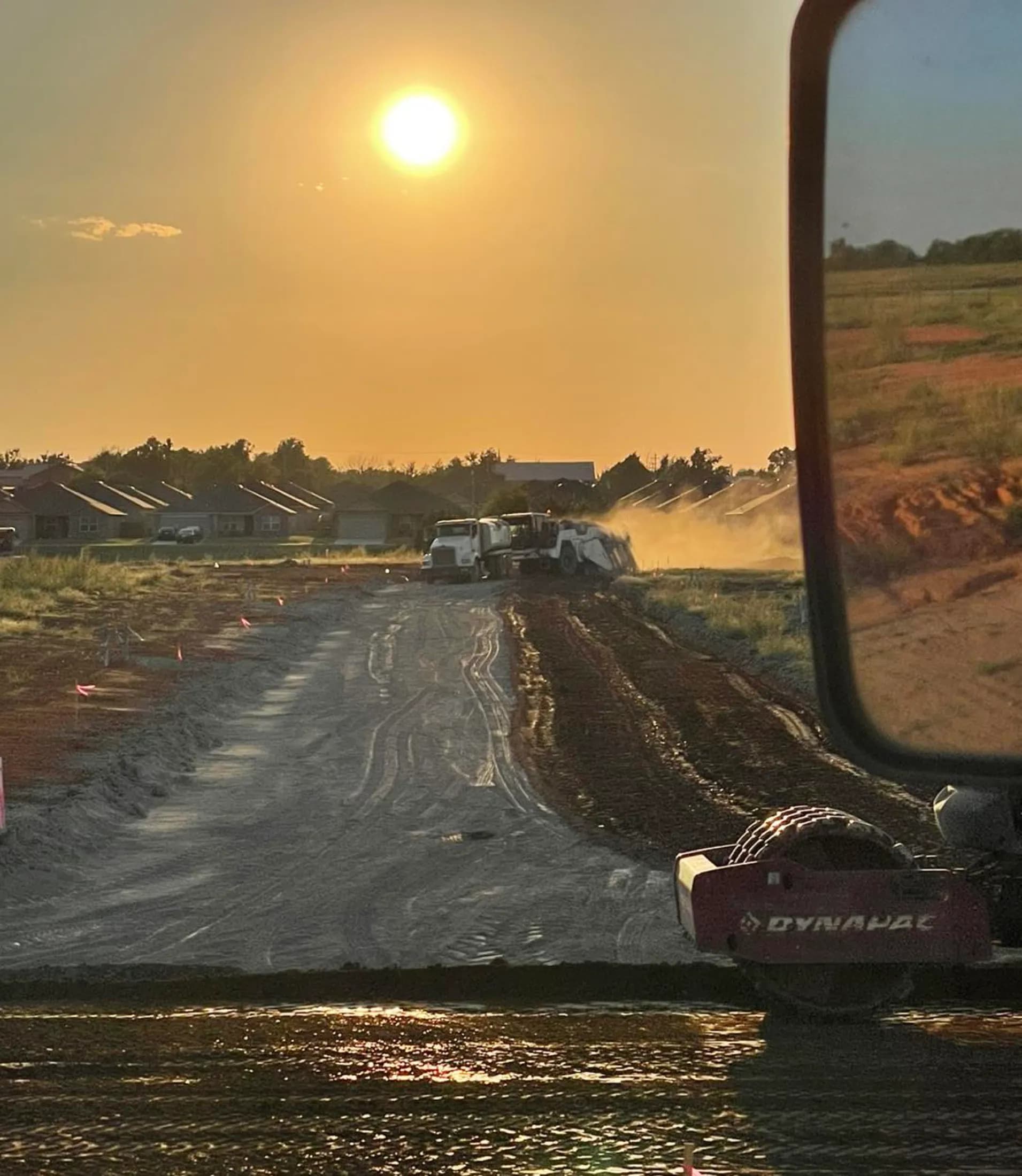
Stabilization methods such as lime or cement treatment are often used to improve soil performance, but they need to be applied correctly and based on actual site conditions.
This is not an area where shortcuts hold up.
When subgrade is done right, it supports everything that follows. When it is rushed or overlooked, the consequences show up later, often when fixes are more expensive and disruptive.
Coordinate utilities before construction begins
Utility coordination is one of the most overlooked parts of early site planning.
Storm sewer systems, underground utilities, and structural components all need to work together without conflict. If these elements are not aligned early, it can lead to delays during construction when adjustments are harder to make.
This includes confirming layouts, elevations, and connections before work begins.
Clear coordination reduces the need for field changes and keeps the project moving without unnecessary interruptions.
Understand local compliance and requirements
Construction in Oklahoma involves multiple layers of compliance, including municipal standards, state requirements, and transportation authority guidelines.
Ignoring or misunderstanding these requirements can slow down approvals or create complications during inspections.
Each component of sitework, from drainage systems to curb and gutter installation, must meet specific standards.
Staying aligned with these requirements from the beginning helps avoid costly corrections and keeps the project progressing smoothly.
Choose partners who understand the full scope
Sitework is not a single task. It is a combination of earthwork, drainage, paving, and structural coordination.
Working with teams that understand how these pieces connect makes a significant difference.
Turnkey approaches can simplify communication and reduce gaps between phases. When one team manages multiple aspects of sitework, there is less room for misalignment and fewer delays caused by handoffs.
The goal is not just to complete each task, but to ensure everything works together as intended.
Build flexibility into the plan
Even with strong preparation, construction projects involve variables.
Weather changes. Site conditions shift. Adjustments become necessary.
Planning with some flexibility allows you to respond without disrupting the entire timeline. This does not mean expecting problems, but being prepared to handle them efficiently when they arise.
Projects that allow for controlled adjustments tend to stay on track more effectively than those built on rigid assumptions.
Final thought
A successful project in Oklahoma does not start when construction begins.
It starts with how well the sitework is planned.
The more attention given to early preparation, the fewer surprises show up later. Costs stay controlled. Timelines remain realistic. Quality holds up over time.
Sitework may not always be visible once a project is complete, but it is always felt in how that project performs.
If you are planning a project and want to avoid unnecessary delays or rework, start by focusing on the sitework phase.
The right preparation can make the rest of the project significantly easier to manage.
What is included in a sitework checklist Oklahoma?
A sitework checklist typically includes soil evaluation, grading plans, drainage design, subgrade preparation, utility coordination, and compliance review. Each step ensures the site is properly prepared before construction begins.
Why is a sitework checklist Oklahoma important before construction?
It helps identify potential issues early, reducing the risk of delays, cost overruns, and rework. Proper planning ensures that all elements of sitework align before construction starts.
How does drainage planning affect a sitework checklist Oklahoma?
Drainage is a critical part of sitework. Poor planning can lead to water accumulation, structural damage, and long term maintenance issues. Early design ensures effective water management.
What role does subgrade preparation play in a sitework checklist Oklahoma?
Subgrade preparation supports the entire structure. Proper stabilization prevents shifting, cracking, and premature failure of paved surfaces.
When should a sitework checklist Oklahoma be completed?
It should be completed during the early planning phase, before construction begins. This allows time to address any issues without impacting the project timeline.
Who should handle a sitework checklist Oklahoma?
Experienced sitework contractors, engineers, and project managers typically collaborate on this process to ensure all technical and regulatory requirements are met.
First Water Contracting
Turn-key sitework & paving across Oklahoma