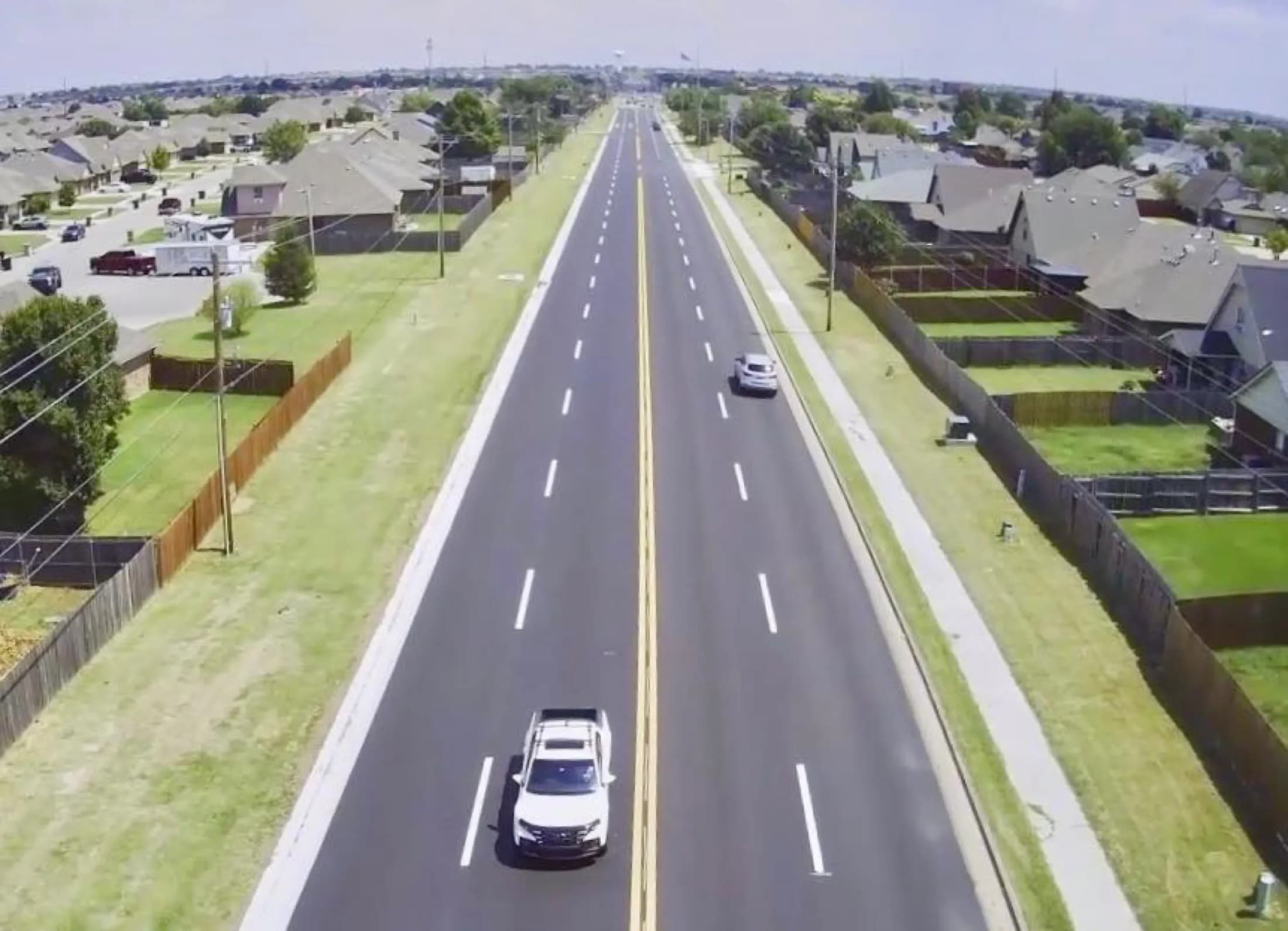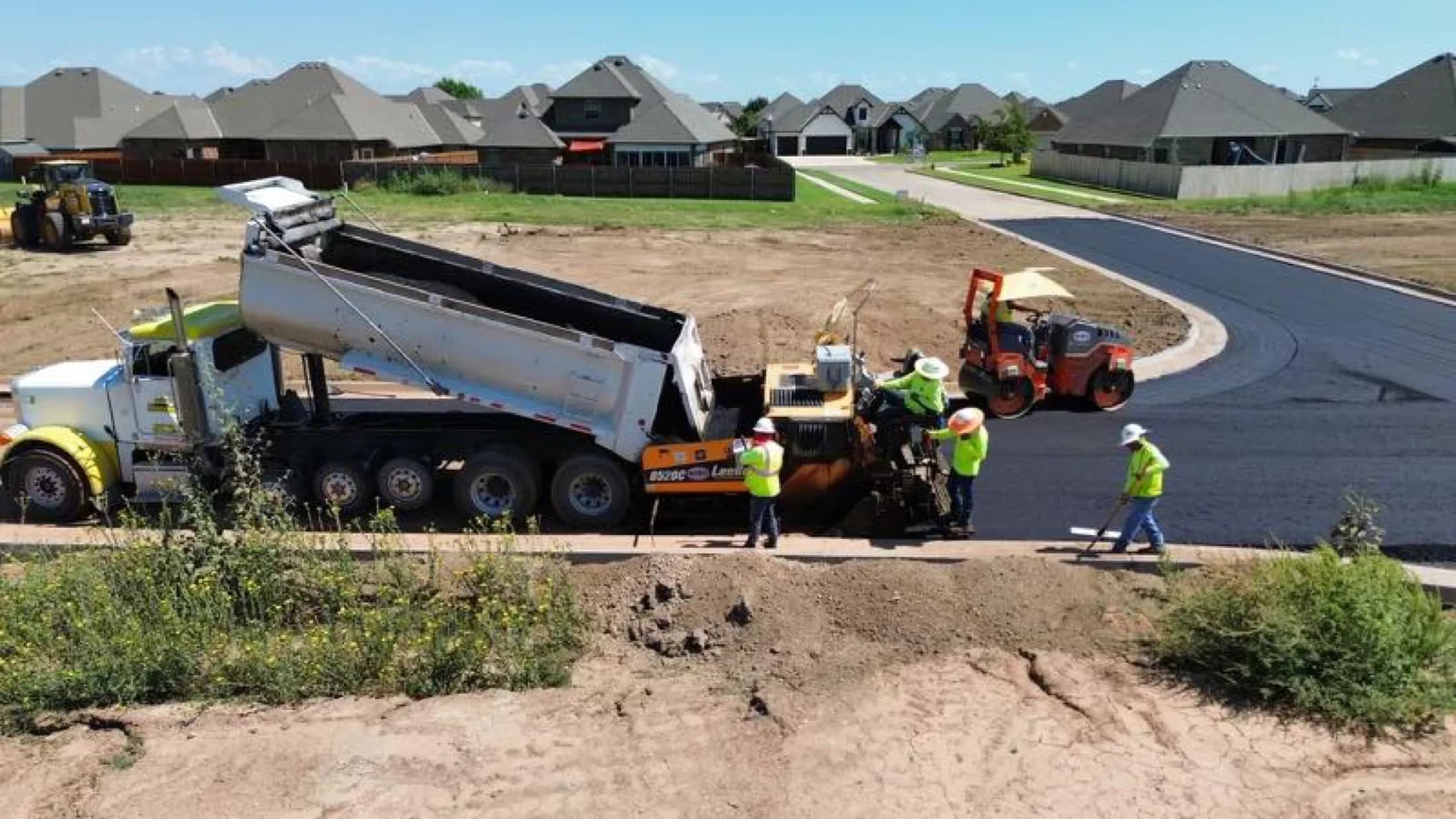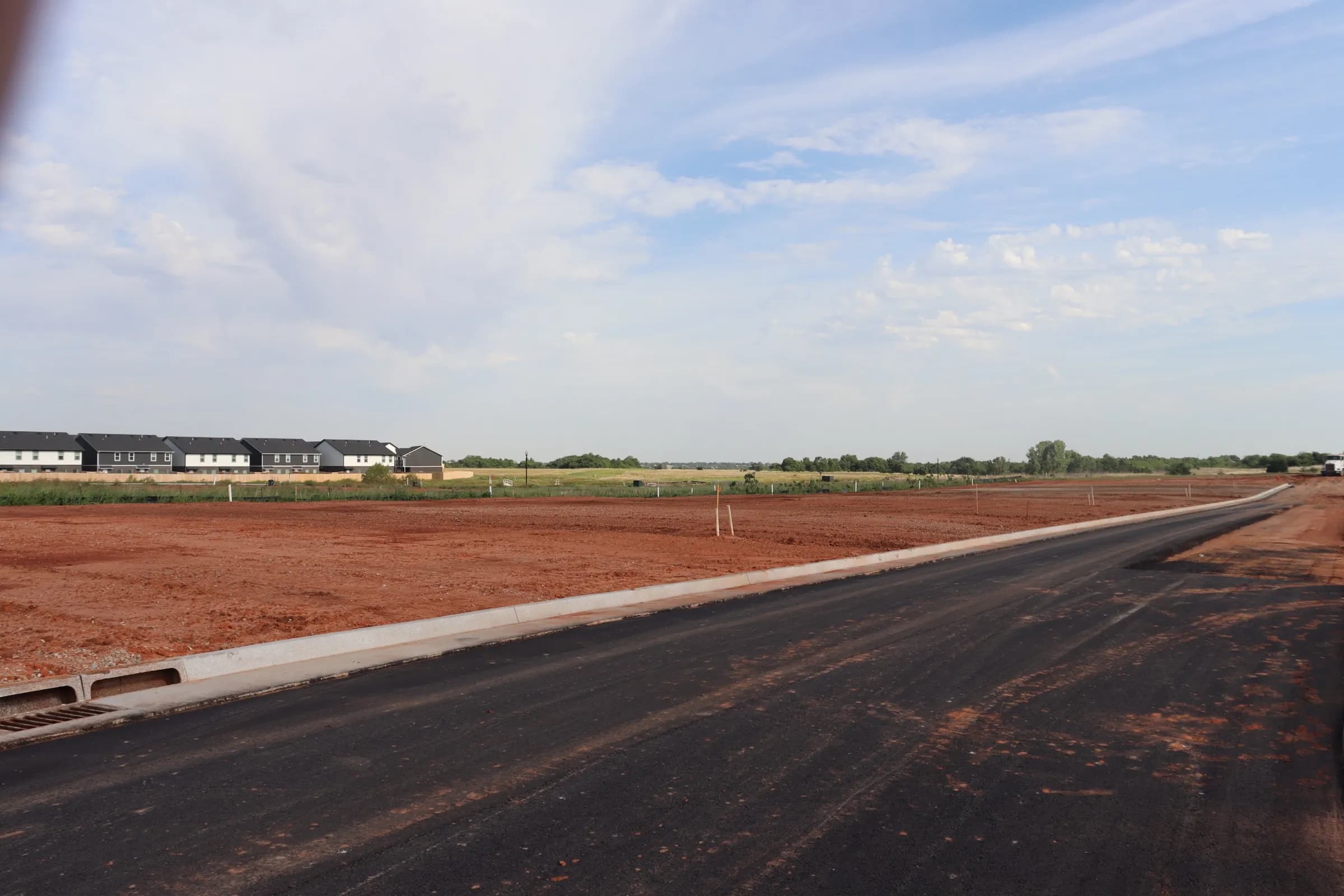
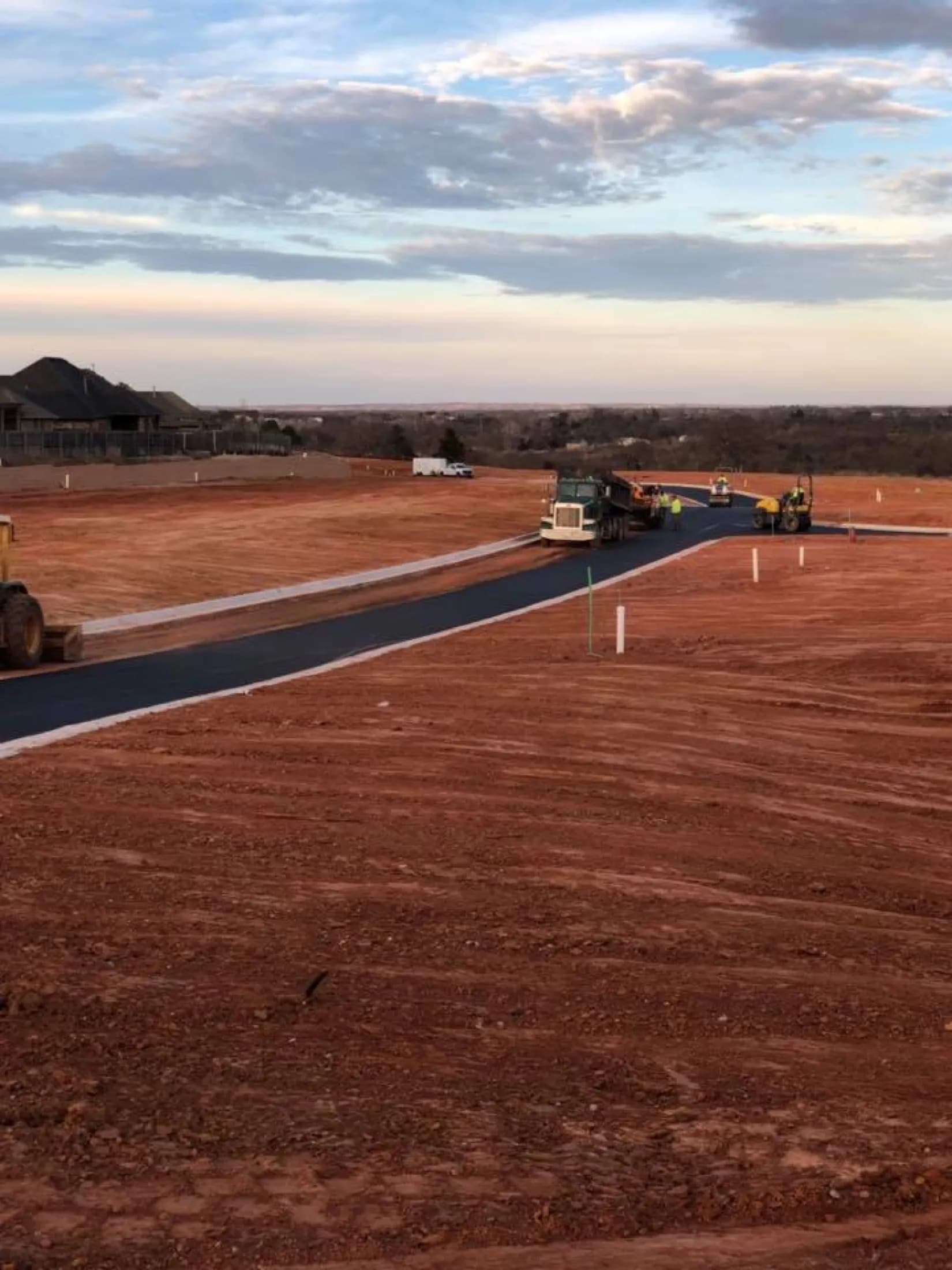
Oklahoma summers don’t ease into the season—they arrive fast and hit hard. High temperatures, intense sun, and sudden storms can all impact construction timelines, material performance, and crew productivity. For contractors and project owners, proper planning isn’t optional. It’s the difference between staying on schedule and watching costs climb.
At First Water Contracting, we’ve worked through enough Oklahoma summers to know where projects succeed—and where they fall apart. Concrete work, asphalt placement, and drainage systems all require careful coordination when the heat is on.
Here’s how to plan ahead and keep your project moving efficiently.
Why Summer Heat Changes Everything
Heat affects more than comfort. It directly impacts how materials behave and how crews perform.
Concrete can set too quickly. Asphalt can become difficult to compact if temperatures aren’t managed correctly. Crews fatigue faster, increasing the risk of mistakes or slowdowns. On top of that, Oklahoma’s summer storms can interrupt progress with little warning.
Planning for these conditions early helps avoid rework, delays, and unnecessary costs.
Concrete Work: Timing and Temperature Control
Concrete placement in extreme heat requires precision. High temperatures accelerate the curing process, which can lead to cracking, reduced strength, and surface defects if not managed properly.
- Schedule pours early in the morning or later in the evening
- Use proper curing methods, including water curing or curing compounds
- Monitor mix temperatures and adjust as needed
- Ensure crews are ready to place and finish quickly
At First Water Contracting, we coordinate closely with suppliers and crews to make sure concrete is placed and finished under the right conditions. Small adjustments in timing can make a big difference in long-term durability.
Asphalt Work: Maintaining Workability and Efficiency
Asphalt performs best when it’s placed and compacted within a specific temperature range. In Oklahoma summers, heat can be both an advantage and a challenge.
While warmer weather helps keep asphalt workable, excessive heat combined with long haul times can create inconsistencies. If material cools too quickly or isn’t compacted properly, it can lead to premature wear or failure.
- Coordinating closely with the asphalt plant for consistent delivery
- Minimizing haul distances where possible
- Keeping crews and equipment ready to place and compact immediately
- Adjusting schedules to avoid peak afternoon heat when necessary
Efficient coordination keeps crews moving and prevents costly delays.
Drainage: Preparing for Sudden Summer Storms
Oklahoma weather is unpredictable. A clear morning can turn into heavy rainfall by the afternoon. Without proper drainage planning, even a short storm can disrupt a jobsite.
Drainage systems should never be an afterthought. Summer is when they are tested the most.
- Installing temporary drainage solutions during construction
- Ensuring proper grading before major rain events
- Keeping erosion control measures in place
- Designing permanent drainage systems to handle high-volume runoff
At First Water Contracting, we prioritize drainage early in the project timeline. Managing water flow protects both the work in progress and the surrounding site.
Crew Management and Jobsite Efficiency
Heat doesn’t just affect materials—it affects people. Productivity can drop quickly when temperatures rise, especially during long days in direct sunlight.
- Adjusting work hours to cooler parts of the day
- Providing proper hydration and rest breaks
- Coordinating tasks to reduce downtime and exposure
- Keeping equipment staged and ready to minimize delays
A well-organized jobsite keeps crews focused and reduces the risk of errors or slowdowns.
The Importance of Coordination
Summer construction requires tight coordination between contractors, suppliers, and project managers. Delays in one area can quickly impact the entire schedule.
- Align material deliveries with crew readiness
- Adjust plans based on weather forecasts
- Respond quickly to unexpected changes
- Keep the project on track despite challenging conditions
At First Water Contracting, we approach every project with a focus on proactive planning and real-time coordination. That approach helps reduce surprises and keeps projects moving forward.
Building for Oklahoma Conditions
Oklahoma’s climate isn’t forgiving, but it is predictable if you plan for it. Heat, storms, and rapid weather shifts are all part of the equation.
Successful summer construction comes down to preparation:
- Understanding how materials behave in high temperatures
- Scheduling work strategically
- Prioritizing drainage and site protection
- Keeping communication consistent across the project
When these elements come together, projects stay efficient, costs stay controlled, and results last longer.
At First Water Contracting, we don’t just build—we build with Oklahoma in mind.
First Water Contracting
Turn-key sitework & paving across Oklahoma