Ask anyone who has managed a site development project what actually blew the schedule, and you will rarely hear about weather or materials. You will hear about the gap between one crew leaving and the next one showing up.
The dirt crew finishes Tuesday. The storm sewer sub cannot mobilize until the week after next. The paving company will not commit to a date until the curb is in, and the curb crew just took a bigger job. Every one of those companies is doing its job, the project still loses a month, and the general contractor spends it refereeing phone calls. There is a structural fix for this, and it is the way we chose to build our company: self-performed sitework. Here is what that means and why it saves real time.
Sitework Is a Relay Race, and Handoffs Are Where It Falls Apart
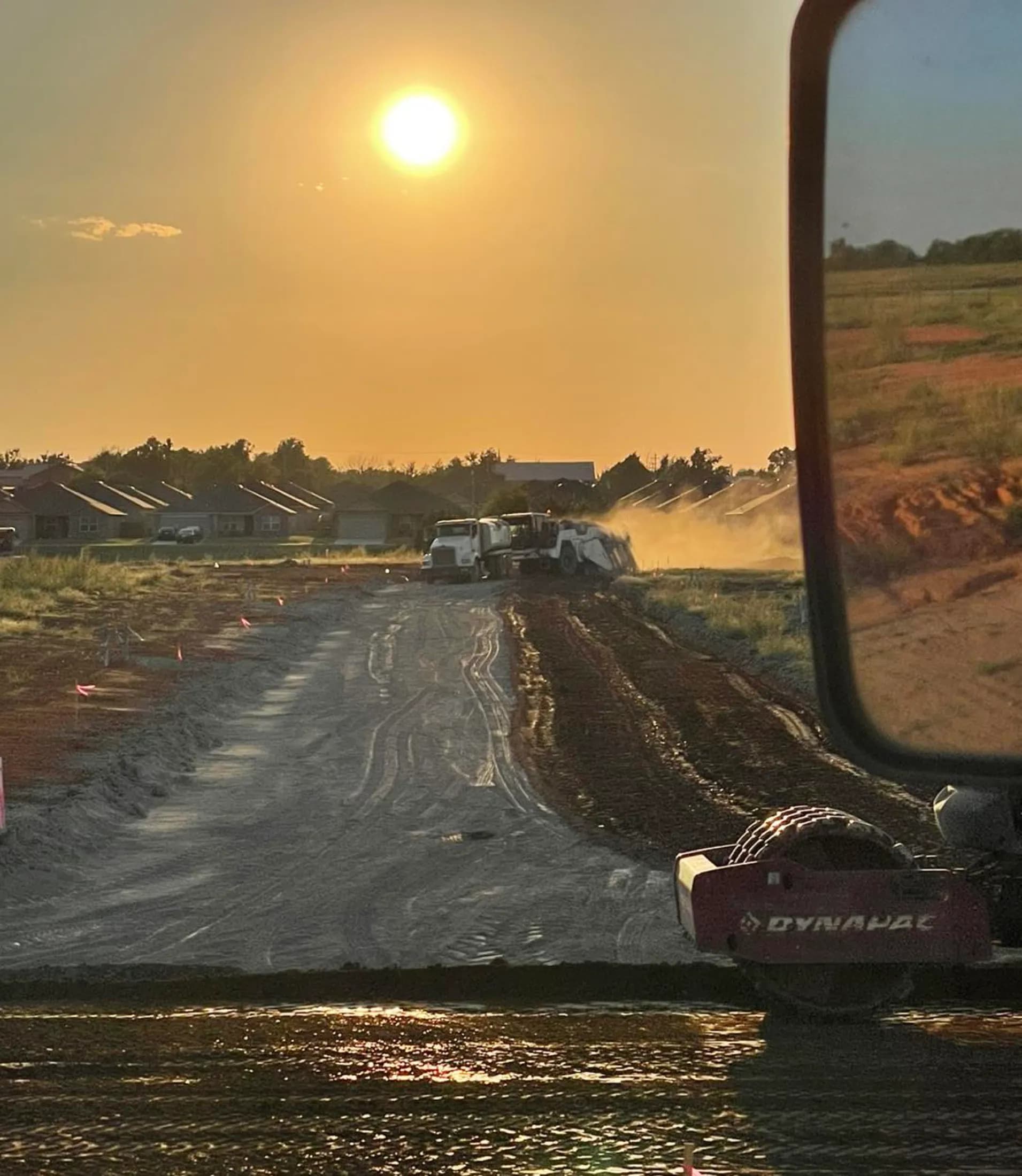
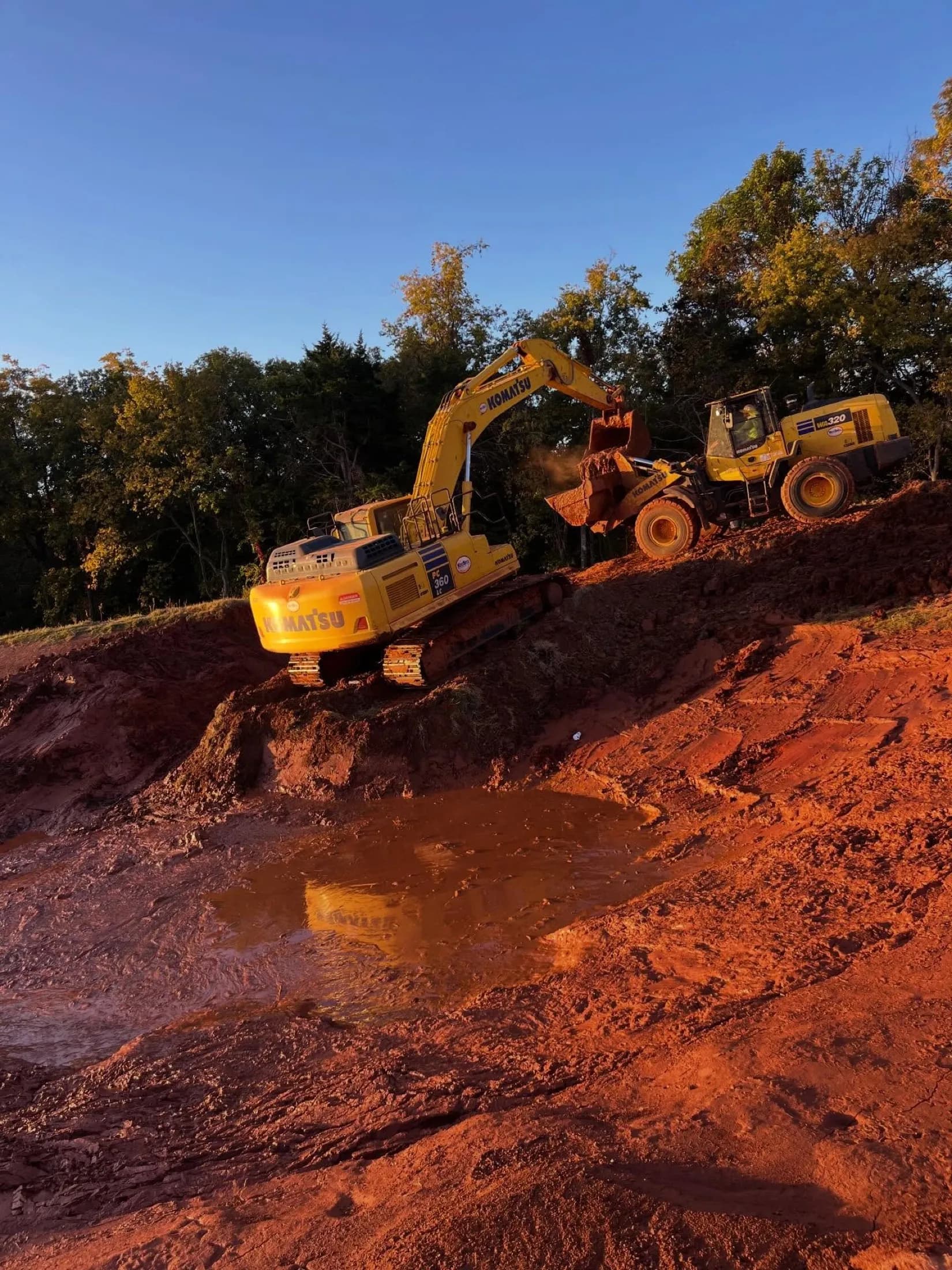
Site development is inherently sequential. Earthwork shapes the pad and grades. Storm sewer and structures go in. Subgrade gets stabilized. Curb and gutter defines the edges. Paving finishes the surface. Each trade physically cannot start until the previous one is done and done right.
When each phase belongs to a different company, every handoff is a scheduling negotiation between businesses with different priorities, different backlogs and no obligation to each other. Industry bodies like the Associated General Contractors of America have documented for years how coordination and workforce constraints drive delays across construction, and sitework feels it worst precisely because the phases are so interdependent. The work is not slow. The waiting between the work is slow.
What Self-Performing Actually Changes
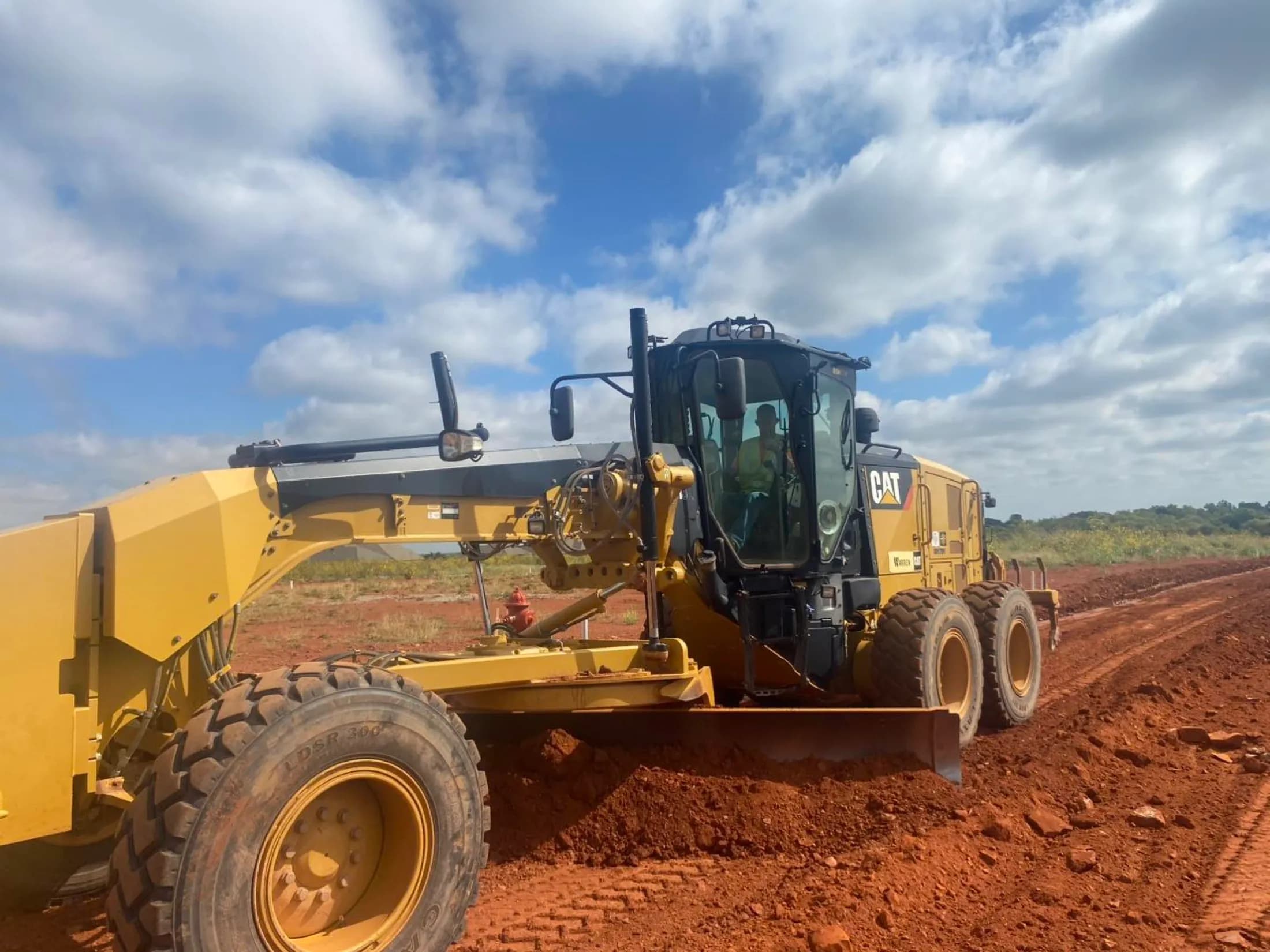
A self-performing contractor owns the whole sequence with its own crews and equipment. When we finish grading a pad, the same company’s crew handles the storm sewer and drainage structures next, on the same schedule, run by the same project manager, with no re-mobilization negotiation in between. The handoff still happens, but it happens inside one company, on one plan, instead of between five companies on five plans.
That compresses schedules in a way no amount of aggressive subcontractor management can, because the gaps are not being managed better, they are being removed. The crew that shows up for phase four already knows the site, the soils, the drainage quirks and the owner, because it is the same organization that cleared the ground on day one.
One Company to Hold Accountable
Here is the part owners appreciate most, usually after learning it the hard way elsewhere. When something goes wrong on a multi-sub site, the first product delivered is finger-pointing: the paving looks bad because the subgrade was soft, the subgrade was soft because the drainage sub left it exposed, the drainage sub blames the grades. Everyone is partly right, the owner pays anyway, and the schedule bleeds while it gets argued.
With one company performing the phases, that argument has nowhere to go. If the subgrade was wrong, we fix it, because it was ours, and the paving that goes over it is ours too. Accountability stops being a negotiation and becomes a fact of the contract.
Where Honesty Requires a Caveat
Self-performing does not mean pretending to do everything. Specialty scopes, utilities beyond storm, electrical, landscaping, belong with specialists, and a good sitework partner coordinates cleanly with them. The claim is not that one company should do everything on a project. It is that the five core phases of sitework are so tightly linked that splitting them across companies costs more time than it saves money.
It also matters that a self-performer runs its own supply. Our paving is fed by our own hot mix asphalt operation, which keeps mix availability and quality inside the same accountability loop as everything else.
What This Means for Your Next Project
If you are an owner or general contractor planning site development, ask every bidder one question: which of these phases do your own crews perform, and which will you broker out? The answer predicts your schedule more reliably than the number at the bottom of the bid.
Have a look at our services, dirt to pavement, and bring us a project. We will show you what a schedule looks like when nobody is waiting on somebody else’s subcontractor.
Frequently Asked Questions
What does sitework actually include?
Sitework is everything that prepares raw ground for construction: clearing and earthwork, grading and pads, storm drainage and structures, subgrade stabilization, curb and gutter, and paving. It is the phase between an empty field and a site ready to build on, and it sets the quality ceiling for everything built above it.
When should a sitework contractor get involved in a project?
Earlier than most people think, ideally during design. A sitework contractor reading plans before they are final can flag drainage problems, dirt balance issues and phasing traps while they are cheap to fix on paper. Bringing one in after bidding means those discoveries happen in the field at change-order prices.
Does self-performed sitework cost more?
Bid to bid it is competitive, and project to project it is usually cheaper where it counts: fewer delay weeks, fewer mobilization charges stacked across subs, and far fewer disputes that end in change orders. The cheapest bid assembled from five companies is often the most expensive project by the end.
What should I check before hiring a sitework contractor?
Ask which trades their own crews perform, what equipment they own, and for recent projects of similar scope. Confirm licensing, bonding and insurance without embarrassment, since legitimate contractors expect the question. Then ask how they handle the handoff between phases, and listen for whether the answer involves other companies.
Can one contractor really handle both earthwork and paving?
A genuine self-performer can, and the combination is the point: the company that built your subgrade is the best-positioned company on earth to stand behind your pavement, because pavement fails from below far more often than from above. When one contractor owns both layers, the warranty conversation gets very short.
First Water Contracting
Turn-key sitework & paving across Oklahoma