Every November, someone calls about paving a parking lot before the end of the year, and every November the answer depends entirely on a number nobody thinks about until it is too late: the temperature of the ground.
Asphalt is a seasonal material. That is not a contractor excuse, it is chemistry, and it is the reason fall is simultaneously the best and the last good time to pave in Oklahoma City. Here is how the timing actually works, and how to use it instead of getting caught by it.
Asphalt Is a Race Against Its Own Temperature
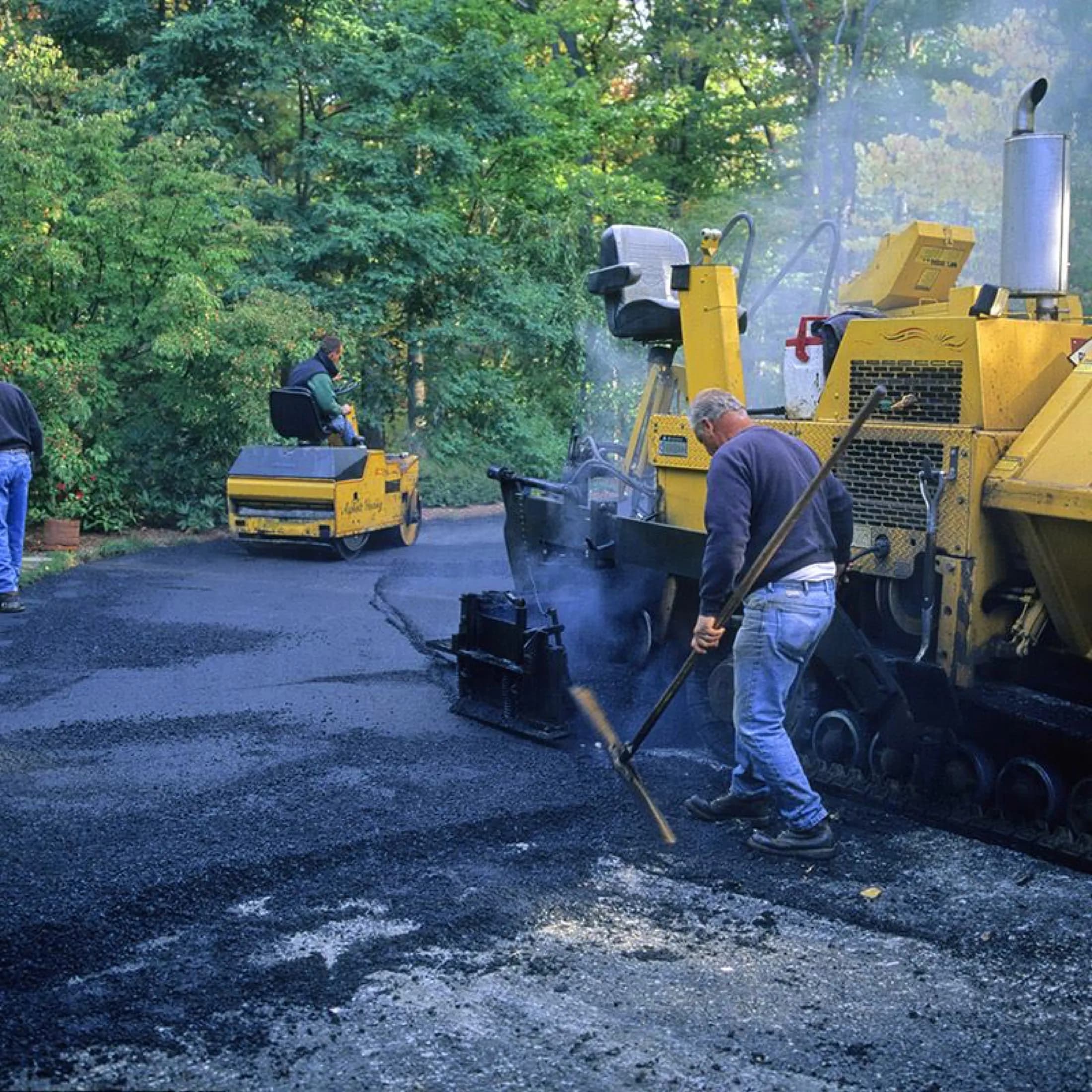
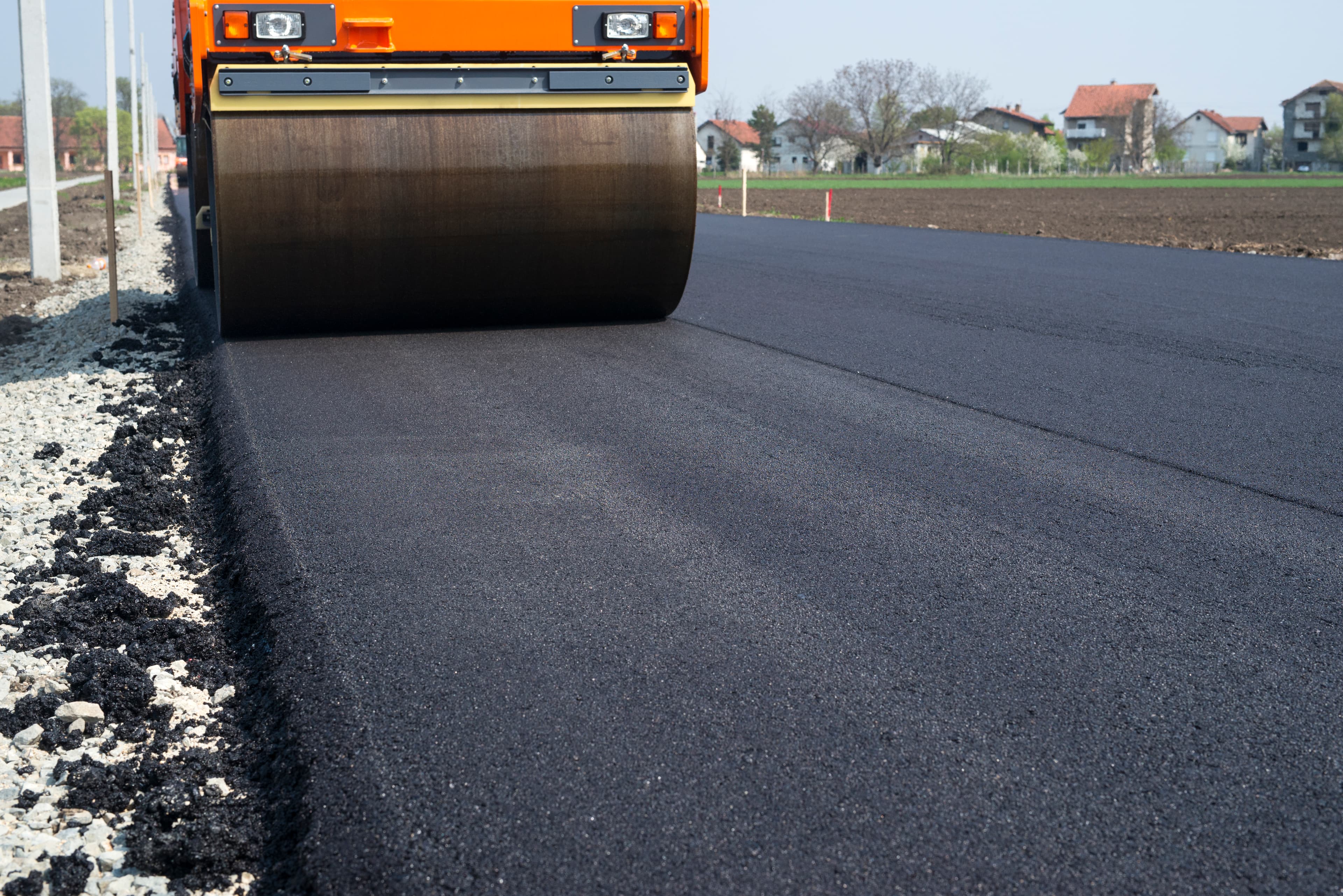
Hot mix asphalt leaves the plant at roughly three hundred degrees, and everything that makes a pavement last happens while it is still hot. The crew has a limited window to place it and compact it before it cools past the point where the rollers can do their job. Industry guidance from the Asphalt Institute treats temperature, of the mix, the air and the ground, as a controlling factor in compaction for exactly this reason.
Cold air and cold ground shrink that window dramatically. Pave on a warm September day and the crew has time to do it right. Pave on a thirty-five degree December morning and the mat can cool before compaction finishes, which locks in a weaker pavement that fails years early. It looks the same the day it is finished. It does not age the same.
What Fall Gets You That Spring Does Not
Oklahoma’s fall is genuinely good paving weather: warm days, workable ground, and crews past the summer crush. For a business, paving now means the lot is fresh, striped and presentable before holiday traffic, and the work lands inside this year’s budget rather than competing with next year’s plans.
Waiting for spring sounds harmless, but winter is not neutral to a lot that already has problems. Water gets into existing cracks, freezes, expands, and turns small defects into potholes by March. The freeze-thaw cycle is the most efficient demolition crew in Oklahoma, and it works free of charge all winter. Paving or repairing in fall means winter attacks a sealed, sound surface instead of an open wound.
The Calendar Problem Nobody Budgets For
Here is the practical part: everyone with a failing lot has the same idea in October. Contractors book out, asphalt plants begin winding down as temperatures drop, and the season effectively ends when the weather says so, not when the calendar does. Some years that is late November. Nobody knows in advance.
So the sequence that works is simple. Get the site walked and quoted now, get on the schedule, and let the contractor manage the weather window. The projects that get squeezed out each year are the ones that started the conversation three weeks too late.
What Can Happen in Any Season
Not everything waits on warm weather. Site evaluation, measurement, design, drainage planning, permitting and budgeting can all happen in any month, and winter is actually the smart season for planning spring earthwork and paving packages. If your project involves more than surface work, grading, storm sewer and drainage, curb and gutter, that scope planned early is what makes the paving phase quick when the weather opens.
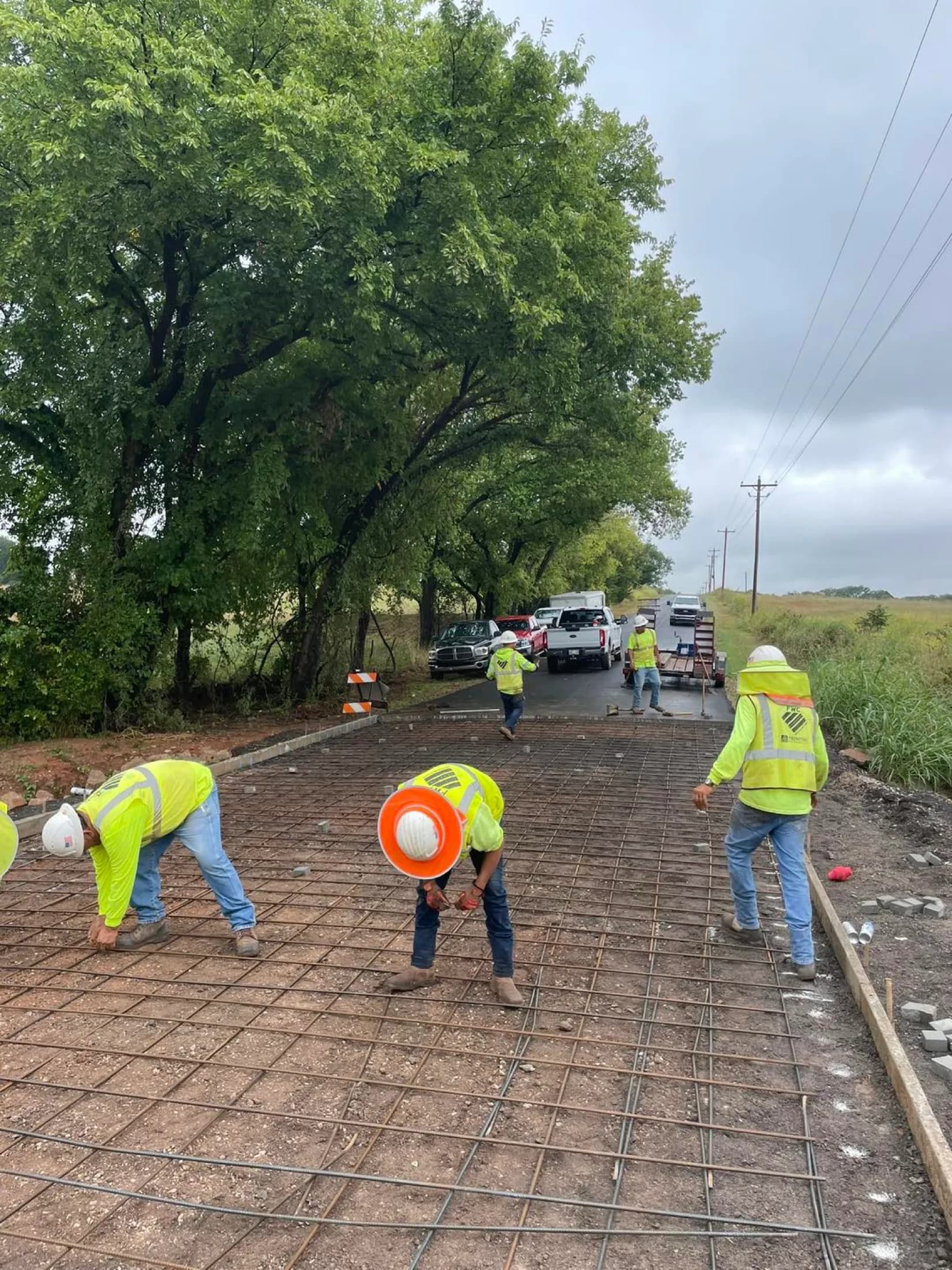
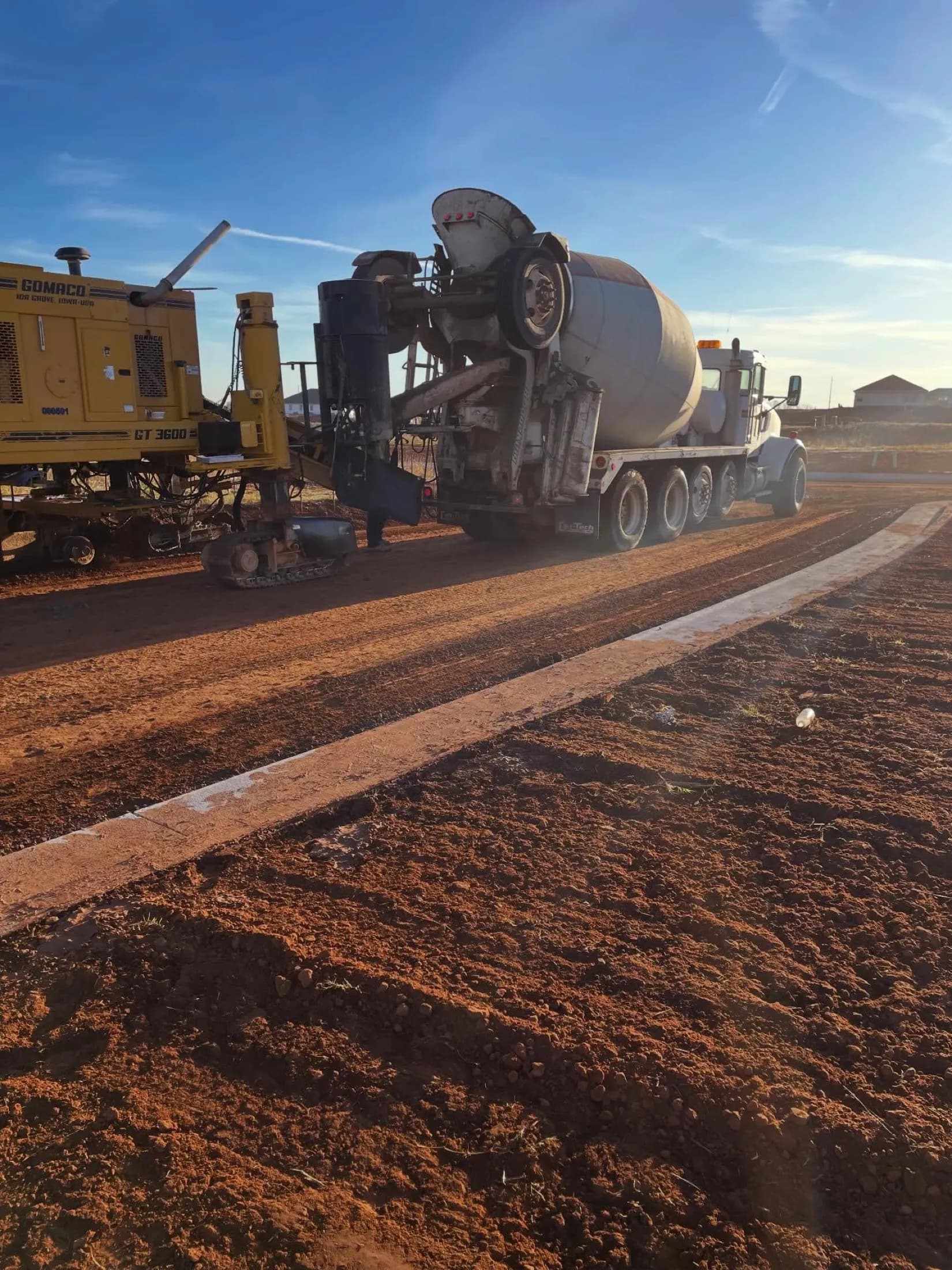
As a company that self-performs the full sequence, from earthwork through final asphalt and concrete paving, we would far rather help you plan a project properly in the off-season than rush one against a cold front.
The Honest Bottom Line
If your lot needs work and you want it done this year, the window is open right now and it closes on the weather’s schedule, not yours. If the project can wait for spring, use the winter to plan it well. Either way, the expensive option is deciding in December.
Contact us for a site visit while the ground is still warm. Thirty minutes on your lot now can save you a winter of patching and a spring of surprises.
Frequently Asked Questions
How cold is too cold to pave asphalt?
As a working rule, paving quality gets hard to guarantee once air and ground temperatures fall into the forties, and thin surface layers are the most sensitive because they cool fastest. Exact limits depend on the mix, the lift thickness and the wind. A straight-shooting contractor will tell you when conditions are against you rather than pave anyway.
How long does a commercial parking lot take to pave?
The paving itself often takes only a day or two for a typical commercial lot. The full scope, any repairs, grading, drainage correction, then paving and striping, commonly runs from a few days to a couple of weeks depending on condition. Phasing the work can keep part of the lot open throughout.
Can you drive on new asphalt right away?
Cars can usually use a new lot within a day or two once it has cooled and set, with full curing continuing over the following months. Keep heavy trucks and dumpsters off it as long as your contractor advises, and expect the surface to stay slightly tender in hot sun during its first summer.
Is it better to patch, sealcoat or repave?
It depends on what the lot is telling you. Isolated cracks and small failures can be repaired and sealed, and sealcoating protects a structurally sound surface. Widespread cracking, drainage problems or base failure mean patches are just renting time. An honest assessment names which category your lot is in before quoting anything.
When do asphalt plants close for the winter in Oklahoma?
There is no fixed date; plants wind down as sustained cold arrives, often in late November or December, and reopen when spring temperatures hold. That is why late-season projects need to be scheduled early. Once the plants stop producing hot mix in volume, the season is over regardless of what the sun is doing that afternoon.
First Water Contracting
Turn-key sitework & paving across Oklahoma