Few decisions on a commercial project get debated as long as the parking lot surface. Owners hear that concrete lasts forever and asphalt is cheaper, or that asphalt is easier to fix and concrete cracks in Oklahoma weather. Each of those claims holds some truth, and none of them answers the real question, which is what your lot actually has to do.
We pave with both asphalt and concrete, so we don't have a reason to push one over the other. Here's how we help owners, developers and general contractors decide, based on traffic, budget, Oklahoma weather and the ground the lot sits on.
Start With What the Lot Has to Carry
The first question isn't about the surface at all. It's about the traffic. A lot used mostly by employees and customers in passenger cars has very different needs from one that sees delivery trucks, garbage trucks, buses or heavy equipment every day. Heavy vehicles cause far more wear than cars, and the spots where they stop, turn and park take the worst of it.
Entrances, drive-throughs, dumpster pads and loading areas get the heaviest punishment, because trucks brake, turn and sit in the same places day after day. A pavement section that performs well in the parking stalls can fail early in those areas if it isn't designed for the load. Knowing where the heavy traffic goes is the starting point for every good parking lot design.
Upfront Cost Versus Lifetime Cost
Asphalt usually costs less to install, which is why it's the default on so many commercial lots. Concrete typically costs more upfront but can go longer between major repairs. The fair comparison is the cost over the years you expect to own the property, including maintenance and the disruption every repair brings.
Research on highways gives a useful sense of how long each one lasts. A National Center for Asphalt Technology study found that state transportation departments typically assume 10 to 15 years before an asphalt pavement needs its first major rehabilitation and 20 to 25 years for concrete. When researchers checked long-term performance data, the actual figures were about 18 years for asphalt and about 24 years for concrete. Parking lots aren't highways, but the lesson carries over: both materials can last a long time when they're designed and built well.
How Oklahoma Weather Changes the Answer
Oklahoma throws both extremes at a parking lot. According to the Oklahoma Climatological Survey's climate summary for Oklahoma County, the county averages about 72 days a year with lows below freezing and about 74 days with highs above 90 degrees, including roughly 13 days above 100. Add the ice storms that roll through most winters, and the pavement has plenty to deal with.
Heat is the bigger concern for asphalt. On a 100-degree afternoon, dark pavement gets much hotter than the air, and heavy trucks parked or turning in the same spot can leave ruts and scuffs. Concrete doesn't soften in the heat, which is one reason it's the usual choice for dumpster pads and truck areas. Cold brings its own problems for both materials, because water that gets into cracks freezes and expands. Sealing cracks and joints and keeping water draining off the surface matters just as much as the material itself, and many concrete guides recommend keeping deicing salts off a new slab during its first winter.
The Ground Under the Lot Matters More Than the Surface
Whatever surface you choose, it's only as good as what's underneath it. Oklahoma's clay soils move with the weather, swelling after heavy rain and shrinking through dry spells, and that movement can crack concrete panels and break up asphalt from below. A strong, stable base is the biggest single factor in how long a parking lot lasts.
That's why subgrade modification is part of so many Oklahoma paving projects. Blending lime, fly ash, cement or cement kiln dust into problem soils, following the recommendations in the geotechnical report, gives the pavement a stable platform to sit on. Skipping that step to save money is one of the most expensive mistakes an owner can make.
Downtime, Repairs and Maintenance
How long the lot can be closed matters for any business that's open during construction. Asphalt can usually carry traffic within hours, once the surface has cooled enough, which makes it easier to pave in phases while a store or office stays open. Concrete needs time to gain strength, and a common guideline is to keep cars off for about three days and heavier trucks off for about seven, unless testing shows the concrete is ready sooner.
Maintenance looks different too. Asphalt needs crack sealing, periodic sealcoating and restriping, and eventually a mill and overlay, which renews the surface without tearing out the whole lot. Concrete needs less routine care, but its joints have to stay sealed, and when a panel fails, the repair usually means cutting it out and replacing it. Neither choice is maintenance-free, so it pays to plan for the upkeep from day one.
Why Many Commercial Lots Use Both
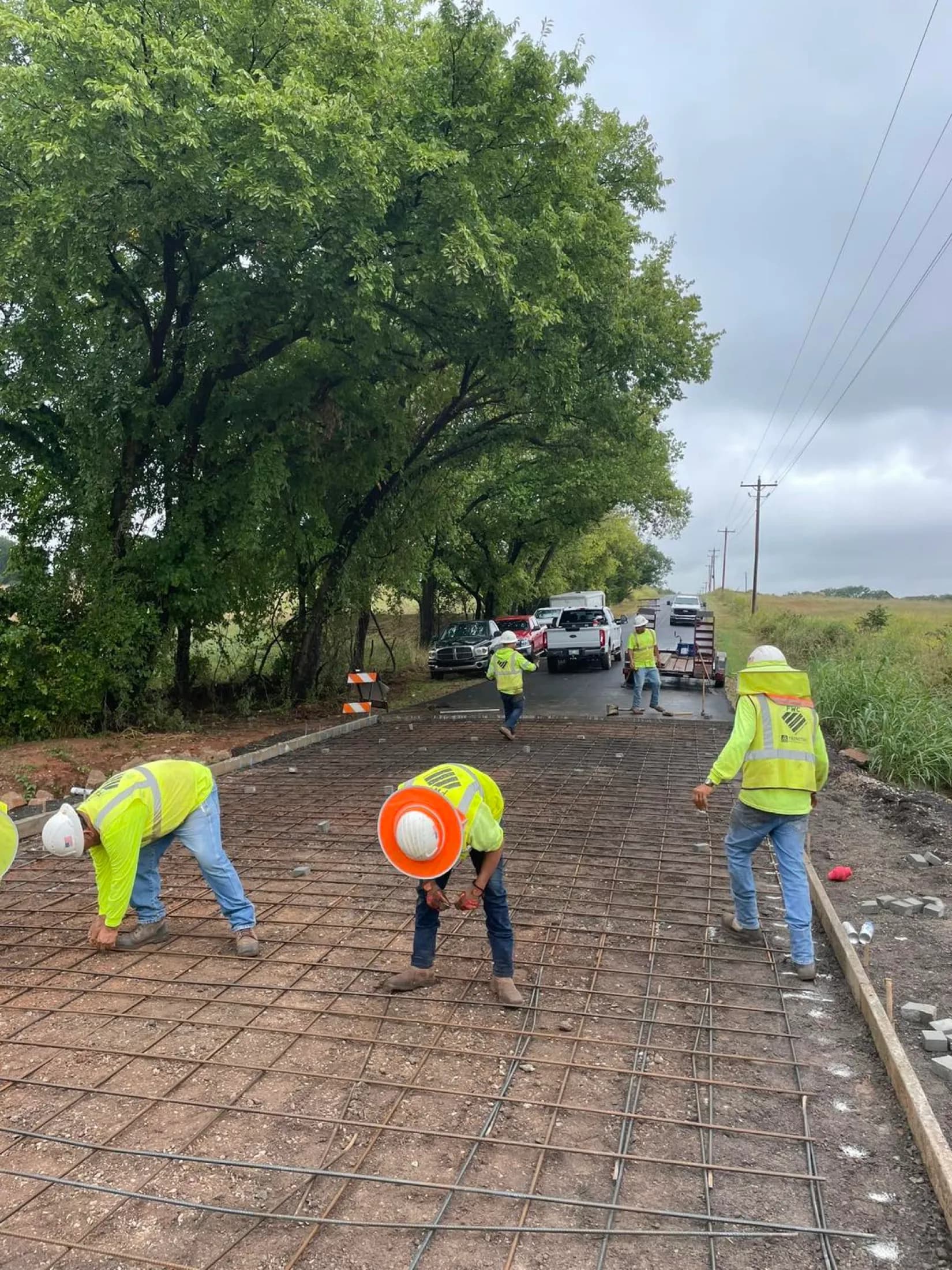
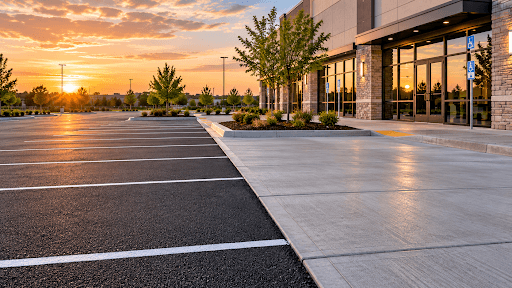
For many commercial projects, the smartest answer isn't one or the other. Asphalt goes where it performs well at a lower cost, in parking stalls and drive aisles used mostly by cars. Concrete goes where the loads are heaviest, such as dumpster pads, loading docks, drive-throughs, entrances and fire lanes, along with curbs, gutters and sidewalks.
That combination puts the money where it does the most good. It also means the owner needs a contractor who builds both well and can coordinate them, so the transitions, drainage and grades all work together instead of fighting each other.
Getting a Straight Answer for Your Site
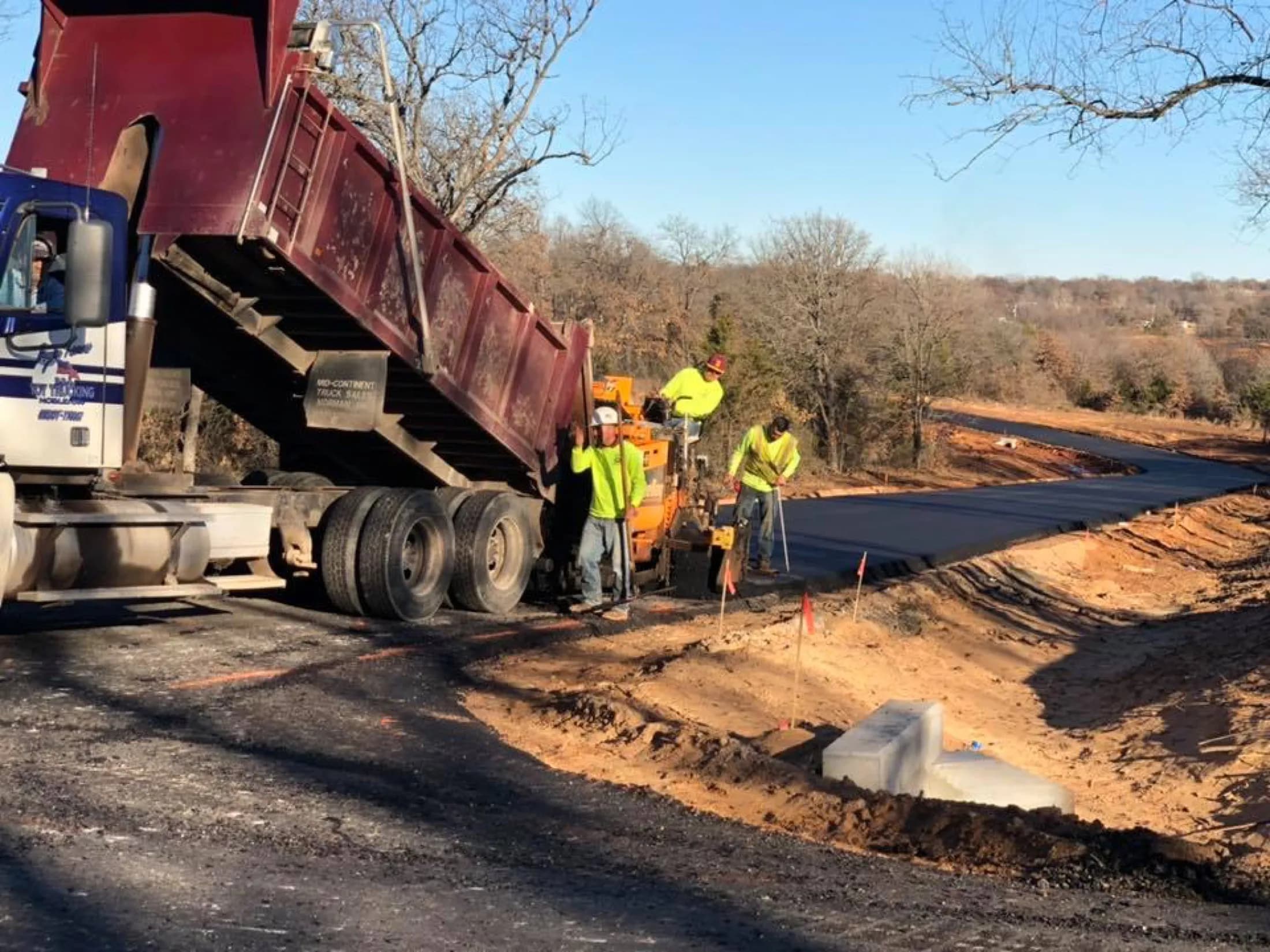
Every site is different, and the right mix depends on your traffic, soils, budget and how long you plan to own the property. First Water handles asphalt and concrete paving in OKC, from commercial parking lots and structural concrete to milling, overlays, sealcoating and striping. The hot mix comes from our affiliated plant, Trinitas Materials, and one company controls the schedule from the grade to the final pull.
If you're planning a lot for spring, winter is the time to start the conversation. Contact our estimating team with your site plan or address, and we'll help you weigh the options for your project.
Frequently Asked Questions
Is concrete or asphalt cheaper for a parking lot?
Asphalt is usually less expensive to install, while concrete typically costs more upfront and may need fewer major repairs over its life. The better comparison is the total cost over the years you'll own the lot, including maintenance and downtime.
How long does a concrete parking lot last compared to asphalt?
Both can last for decades when they're designed well and built on a stable base. Research on highway pavements found concrete typically went about 24 years before its first major rehabilitation and asphalt about 18. Good drainage, a solid subgrade and regular maintenance make the biggest difference for either one.
How soon can you drive on a new parking lot?
Asphalt can usually take traffic within hours once it has cooled. Concrete needs time to gain strength, with a common guideline of about three days for cars and about seven days for heavier trucks, unless testing shows it's ready sooner.
Which surface handles Oklahoma heat better?
Concrete holds up better under heavy loads in extreme heat, because it doesn't soften the way asphalt can on very hot days. That's why concrete is often used for truck areas, dumpster pads and drive-throughs, while asphalt works well in parking stalls and drive aisles.
Can a parking lot use both concrete and asphalt?
Yes, and many commercial lots do. Asphalt is often used for parking stalls and drive aisles, while concrete handles dumpster pads, loading areas, entrances and curbs. Combining the two puts each material where it performs best.
First Water Contracting
Turn-key sitework & paving across Oklahoma